

.jpg)
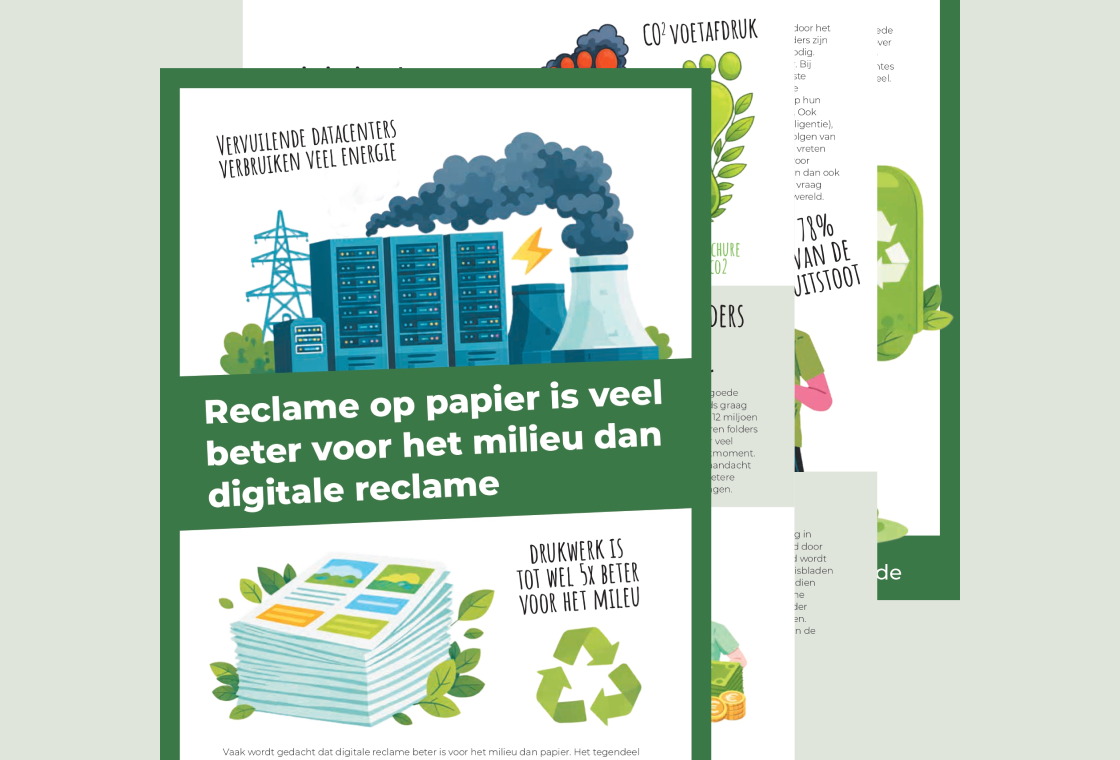
A study conducted by the renowned German Öko-Institut, comparable to the Dutch organization TNO, compared printed and digital advertising materials across several European countries. The research concluded that printed leaflets can generate up to five times less CO₂ emissions than their digital counterparts. Advertisements in newspapers and magazines were also found to be approximately 30% cleaner than online advertising.
Sustainability is a core value at Em. de Jong and starts with the foundation of our business: paper. Most of the paper we use is FSC® and/or PEFC-certified, meaning that the raw materials originate from responsibly managed forests. These certification systems safeguard biodiversity, reforestation efforts, and social responsibility, helping to preserve forests for future generations while preventing illegal logging.
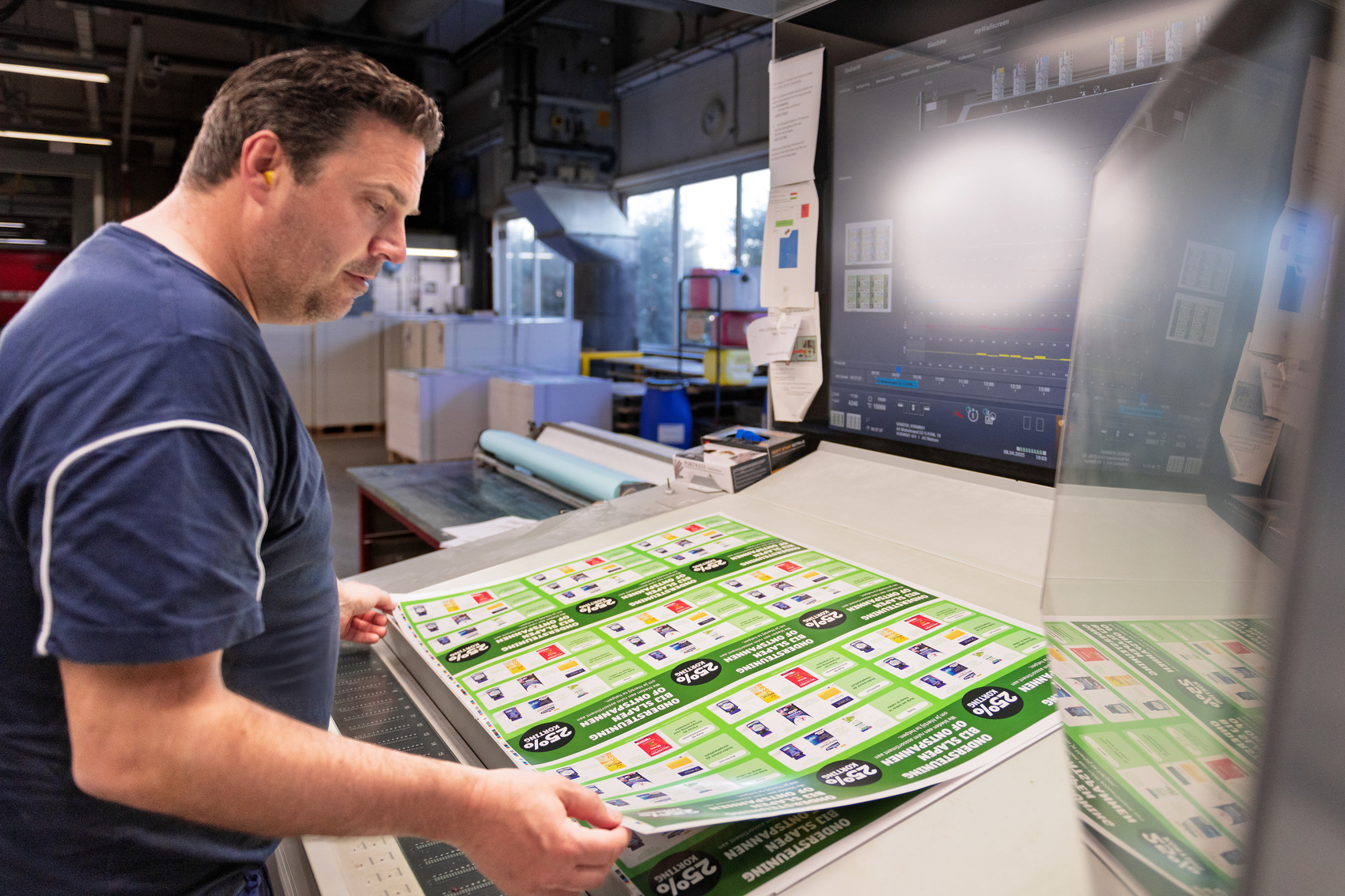

Our production process is largely powered by renewable energy, supported by more than 30,000 m² of solar panels installed on the roof of our printing facility. Em. de Jong operates according to the principles of 100% recycling (Cradle to Cradle) and uses low-mineral inks, making printed products easier to recycle while further reducing environmental impact. Through the Ecoset process, energy consumption during production is structurally reduced.
Our environmental policy is embedded and safeguarded through ISO 14001 certification, demonstrating our commitment to continuously improving environmental performance. In addition, the group is Sedex compliant, helping to ensure corporate social responsibility and fair working conditions throughout the organization and supply chain. Through ClimateCalc certification, CO₂ emissions are measured transparently and actively reduced.
By combining quality, innovation, and responsibility, Em. de Jong delivers future-proof and sustainable graphic production solutions that support both business objectives and environmental goals.
Get in touch with us and discover how Em. de Jong can help optimize your marketing operations while reducing environmental impact.